
Pride 2026: Four things we do to help LGBTQI+ young people feel they belong
Posted: 10th June 2026
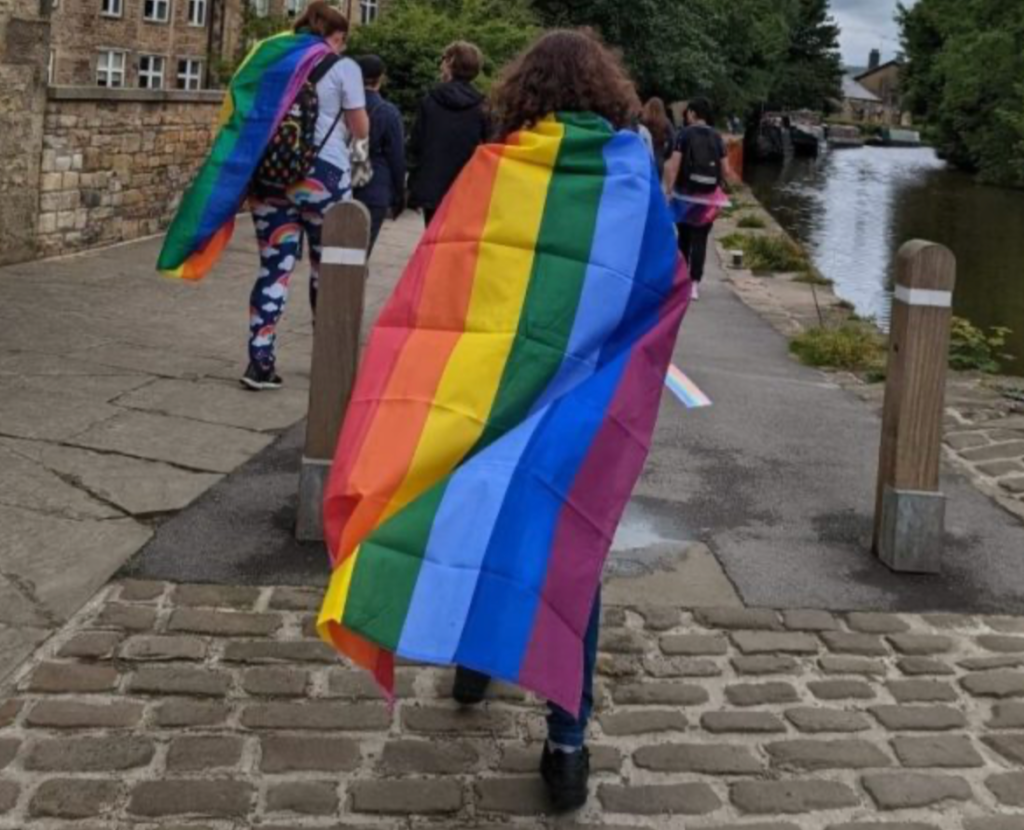
It’s not easy to be an LGBTQI+ young person. Often, they face increased ostracisation, social isolation and discrimination, which all have a serious impact on their mental health. Studies suggest these problems can be exacerbated in rural areas like Craven.
Our own research has shown that young LGBTQ+ people in Craven and North Yorkshire experience heightened stigma. One individual told us it was easier to “pretend I’m not who I really am as it is easier for my mental health than being bullied”.
At SELFA, we want to make sure all our young people feel respected, valued and able to be themselves. So, we make sure our groups, activities and services are inclusive of all sexualities, gender identities, expressions and more.
As we celebrate Pride, we’re sharing four ways we help LGBTQI+ young people feel seen, supported and that they truly belong.
Listen with empathy
Creating inclusive services means listening to people’s experiences without judgement and taking their concerns seriously.
For LGBTQI+ young people, feeling heard can make a significant difference to improving mental wellbeing. This is especially important as LGBTQ+ young people are twice as likely to experience poor mental health compared to others. Additionally, 43% of LGBTQ+ pupils in the UK are bullied in school because of their identity, making them feel unsafe.
At SELFA, we create safe spaces where young people can feel comfortable sharing their thoughts, challenges, ideas and aspirations. This is why our youth groups, like our Youth Board and Youth Action groups, frequently contribute to and shape the services we offer.
Use the correct language
Making sure we respect people’s pronouns isn’t just polite, it’s essential to make sure they feel understood and that they belong. This is one of our key focuses at SELFA – as a sense of belonging is key to improving young people’s wellbeing, quality of life and futures.
Using inclusive language also means avoiding assumptions about someone’s identity, relationships or experiences. By creating an environment where young people can share how they identify and how they would like to be addressed, we help build trust and demonstrate respect.
“We make sure every group and activity is inclusive, welcoming, and affirming,” says Catherine Williams, SELFA’s programme manager for mental health. “We use inclusive language and practices so young people feel respected and seen.”
Evolve with the needs of young people
We’re constantly reviewing what works best for the children and young people we support. Sometimes, what was considered inclusive a few years ago may not fully reflect the experiences of young people today – so if things need to be changed or improved, we make sure we do so. Being inclusive is a life-long commitment, not a one-off pledge.
Embed equality into culture
Although we’re posting this blog during Pride, SELFA is an inclusive charity every day of the year. It is reflected throughout our culture, policies and everyday practice. We make sure our staff and volunteers receive appropriate training, our activities are designed to be welcoming and accessible to everyone.
What is SELFA Youth Action?
(Years 7 to 9, Flourish/former Ings School, Wednesdays, 6pm)
The Youth Action provides an opportunity for young people to be active in making change happen in the local community on issues that matter to them. The group is user-led and champions youth voice and participation.
What is SELFA Youth Board?
(Years 10 to 13, SEND ages 19 to 25, Skipton Town Hall, Saturdays, 10am)
This group gives young people aged 12 to 18 (years 7 to 13) a real voice in decisions, helping shape what SELFA does and how we do it.
Copyright 2026. All Rights Reserved