
Social media ban for under-16s: A positive step, but more must be done
Posted: 16th June 2026
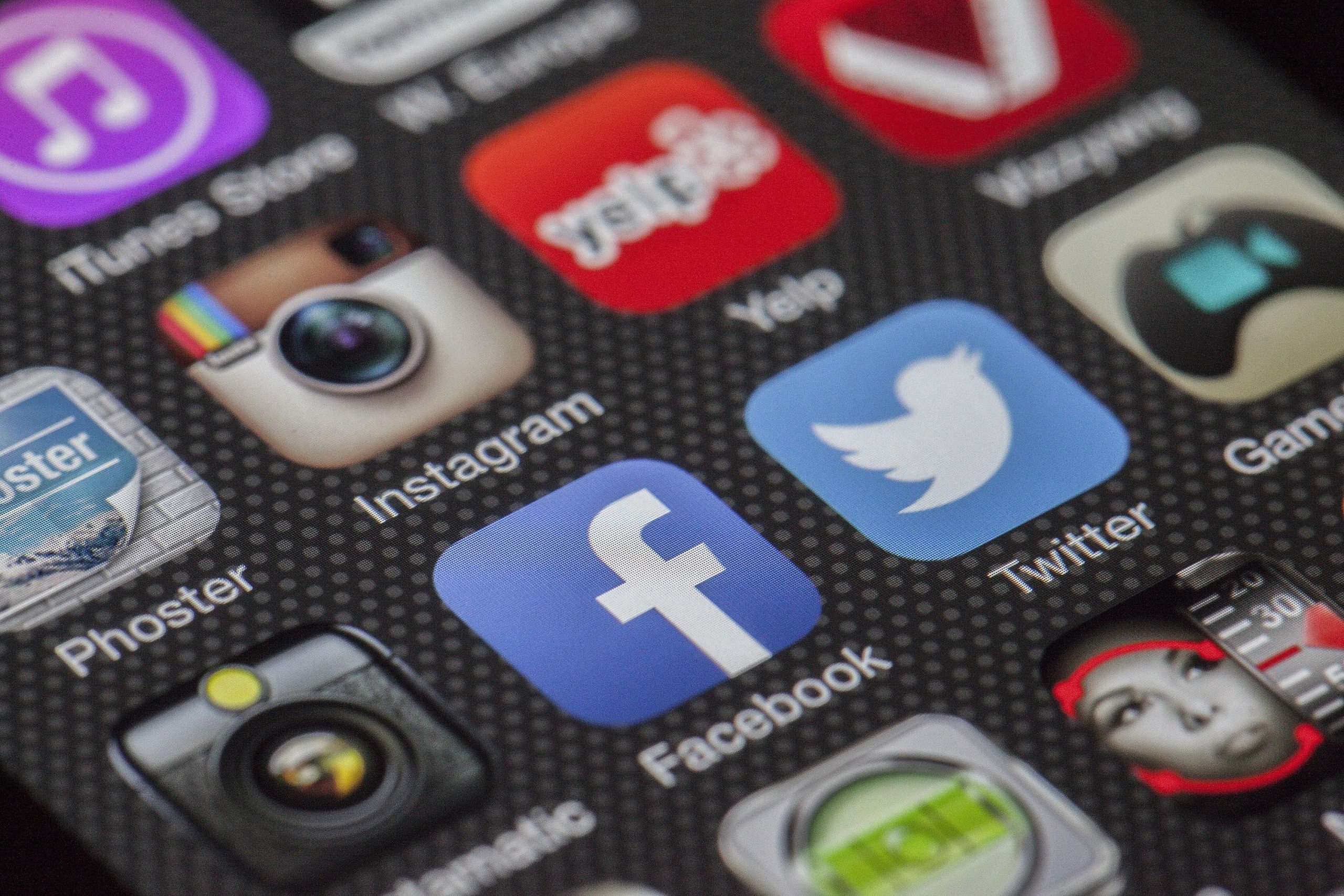
The UK government has announced plans to ban social media use for children under the age of 16, with Prime Minister Sir Keir Starmer stating that the measures are expected to come into force in early 2027.
The government says the ban is designed to improve online safety and protect children and young people from the harms associated with social media.
At SELFA, we welcome efforts to make the online world safer for young people. Through our work, we have seen first-hand the impact that social media use and exposure to harmful online content can have on children’s mental health, wellbeing and self-esteem.
Young people can be exposed to unrealistic expectations, cyberbullying, harmful imagery and content that can contribute to anxiety, low mood and poor mental health.
Emma Pears, SELFA’s chief officer, says:
“The social media ban for under-16s is a positive step. We see so many young people struggling with their self-confidence, mental health and wellbeing as a result of the pressures they face online.
“Reducing exposure to harmful content and unhealthy comparisons can help create a safer environment for children to grow and develop.
“But this must be accompanied by education, support for families and greater responsibility from social media platforms to ensure young people are protected both online and offline.”
What social media platforms will be banned?
The proposed ban will apply to major social media platforms including Snapchat, TikTok, Instagram, Facebook, X and YouTube. While the government has not yet published a full list of affected platforms, the restrictions are expected to cover services whose primary purpose is social interaction and user-generated content.
“At the moment, it seems that messaging services such as WhatsApp and Signal are not currently included. However, we know that these messaging platforms can still negatively affect children and young people, for example, by providing a space for hidden bullying.”
Alongside the ban, the government plans to introduce additional safeguards. These include preventing under-16s from livestreaming, blocking functions that allow strangers to contact children, and exploring measures such as overnight curfews and limits on infinite scrolling.
The success of these measures will depend largely on effective enforcement. The government has said that social media companies will be required to use age-verification systems, potentially including age-estimation technology, facial age checks or identification documents. Ofcom has been tasked with identifying the most effective methods of age assurance.
Although these proposals represent a significant and welcome step forward, Pears says they are not a complete solution.
“Protecting young people’s mental health online will also require continued investment in education, parental support, and accessible mental health services. Technology companies have a key role to play in creating a safer online environment.”
Lasting change will require a broader commitment to supporting young people’s wellbeing both online and offline.
What we do at SELFA children’s charity
SELFA provides activities for children and young people from school age up to 18, or up to 25 for those with SEND. Eligible participants either live or attend school in North Yorkshire, or are registered with a GP practice in Craven.
We provide health & wellbeing programmes, targeted holiday activities, peer-support groups and mental health support for children and young people.
Check out the groups we offer here.
Copyright 2026. All Rights Reserved