
How we support children and young people with ADHD
Posted: 2nd October 2026
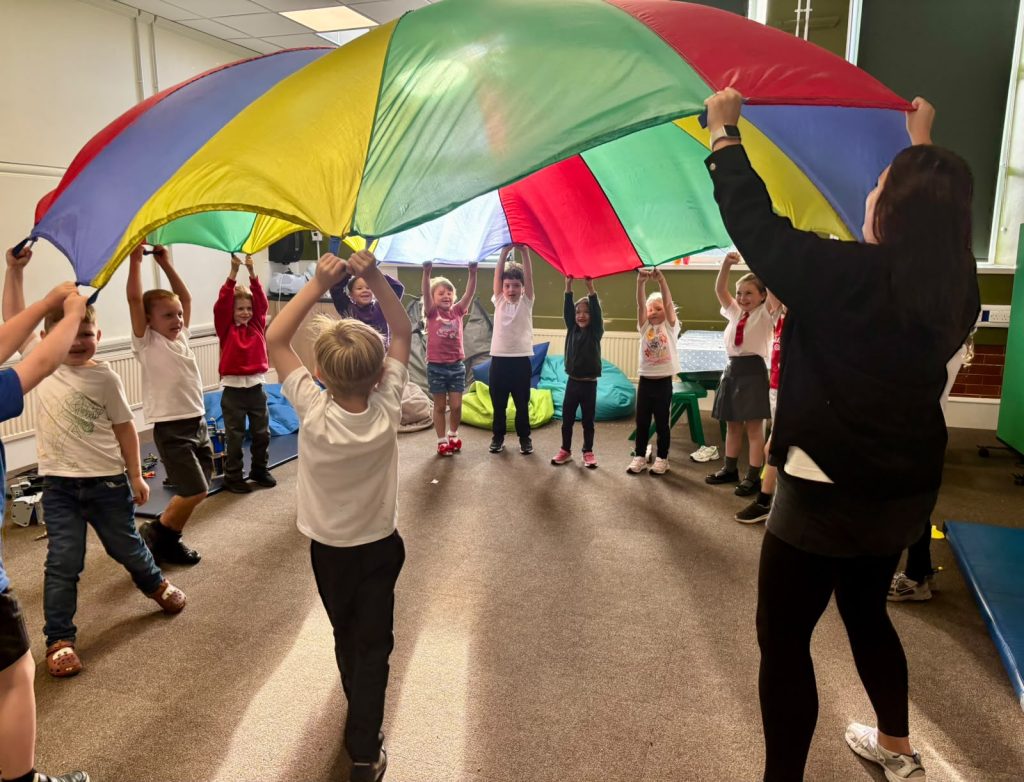
October is ADHD Awareness Month, a time to challenge misconceptions and build greater understanding of Attention Deficit Hyperactivity Disorder.
At SELFA, around 20 percent of the children and young people we support have ADHD. Every day, we see the incredible strengths, creativity and resilience they bring, while also recognising some of the challenges they may face.
ADHD is often misunderstood. Many people think it simply means being distracted, restless or ‘full of energy’, but it is much more complex than that. ADHD can affect how a person focuses, organises tasks, manages emotions, processes information and responds to the world around them.
Every child and young person experiences ADHD differently, which is why understanding and personalised support are so important.
So how do we support children and young people with ADHD at SELFA?
We provide sensory play
Sensory play is another important part of our provision. Activities involving different textures, sounds and movements can help children explore and regulate their sensory needs in a safe and enjoyable way. From creative crafts and messy play to outdoor activities that encourage movement and exploration, sensory experiences can support wellbeing and engagement.
Whether it’s a stress ball, fidget cube or tactile sensory item, having something to occupy the hands can make it easier for some children to focus on activities and conversations. These can also reduce anxiety and provide an outlet for energy.
Read more: School anxiety & avoidance: How to help your child
We encourage movement
Whether it’s a walk or movement sessions with The Knotted Project, a Cumbria-based physical theatre and arts organisation, we help all our young people get active.
Many children and young people with ADHD benefit from opportunities to be active, rather than being expected to sit still for long periods. Through games, outdoor play, sports and interactive activities, we create spaces where children can move freely, release energy and build confidence while having fun.
The feedback we receive from parents is overwhelmingly positive. Many tell us that having access to a supportive, understanding environment where their child’s needs are recognised and accommodated has made a real difference.
One parent told us: “My younger son has ADHD and he has difficulties attending school. He saw his sibling having fun and went to SELFA for the first time over the summer holidays. SELFA made sure his first session was with his brother, which was very thoughtful and helped with his anxiety. Everyone is kind and professional, I’d be lost without this for the kids.”
Read more: Six common myths about children’s mental health
We create welcoming environments
We understand that traditional settings can sometimes feel overwhelming, so we offer a variety of tools and approaches that help children regulate their emotions, stay engaged and enjoy positive experiences. If a child needs to step back for a quiet moment, that’s absolutely fine, or if they need to move around, use a fidget toy or take part in sensory activities, we encourage them to do what helps them feel comfortable and supported.
“We create safe, inclusive environments where children and young people feel accepted, valued and able to be themselves,” says Sally Marchant-Derrick, programme manager (youth voice & SEND). “We encourage children to take part at their own pace and celebrate every achievement, no matter how small.”
We provide emotional support
At all of our groups, we give children and young people the chance to ‘check in’ with their emotions and think about how they feel. Children with ADHD can sometimes experience frustration, low self-esteem or difficulties managing big emotions. Our team provides encouragement, understanding and a listening ear, helping young people feel accepted and supported for who they are.
We also provide mental health support, in the form of one-to-one (mentoring and counselling) and group support.
At SELFA, all of our services are inclusive of children and young people with SEND (Special Educational Needs and Disabilities). But, we recognise that some children and young people with SEND benefit from smaller groups, adapted environments and higher levels of staff support – so we also offer specialist SEND provision designed to meet their individual needs.
Copyright 2026. All Rights Reserved