
School anxiety & school avoidance: How to help your child
Posted: 18th September 2026

If your child feels anxious about going to school, you’re not alone. One-third of secondary and one-fifth of primary students avoid or refuse to go to school at least once a month, according to a recent survey by Barnardos. The most common reason given was anxiety felt by the student, according to a survey of more than 700 parents.
More than half of primary (56%) and two thirds of secondary (63%) school parents with children who have special educational needs (SEND), said their child only had some or none of the support they need to engage fully in school.
At SELFA, we focus on what may be sitting behind the difficulty to help each young person feel safe, understood and able to take manageable steps forward. Our approach is relational, strengths-based and trauma-informed – we build trust and confidence slowly, working alongside the important adults in children’s lives.
“The goal is not to force a young person back into school before they are ready,” says Pears. “It is to reduce distress, rebuild confidence and create a supported route back into learning. This might include improving emotional regulation, restoring routines, strengthening family relationships, making positive friendships and helping the young person identify hopes for the future.”
What we offer families
“Over the next two years, we will deliver a targeted early-intervention programme in secondary schools across Craven, funded by the Charles Hayward Foundation,” says Emma Pears, CEO of SELFA. “It is designed for young people aged 11 to 15 who are experiencing school anxiety, reduced attendance, risk of exclusion or wider pressures that are affecting their engagement with education.”
Over ten weeks, the weekly, structured small-group sessions will help young people understand emotions, build confidence, strengthen coping skills and develop positive relationships. “The enriching, activity-based learning outside the classroom gives young people opportunities to succeed, connect and rediscover their strengths,” says Pears.
A support programme for parents and carers will run alongside the programme for young people. This will cover practical topics such as communication, trust, boundaries and negotiation, while giving parents and carers a chance to chat and support one another.
We will also liaise with schools to make sure there is joined-up support, reasonable adjustments where necessary, and realistic steps to improve attendance and reintegration. Where it is needed, we will provide additional one-to-one or crisis support.
“School avoidance rarely has a quick or simple solution. That is why our support is not a one-off conversation,” says Pears. “We work with a small number of young people at a time so that relationships can develop and support can respond to changing needs.”
Read more: How to support your child when they return to school
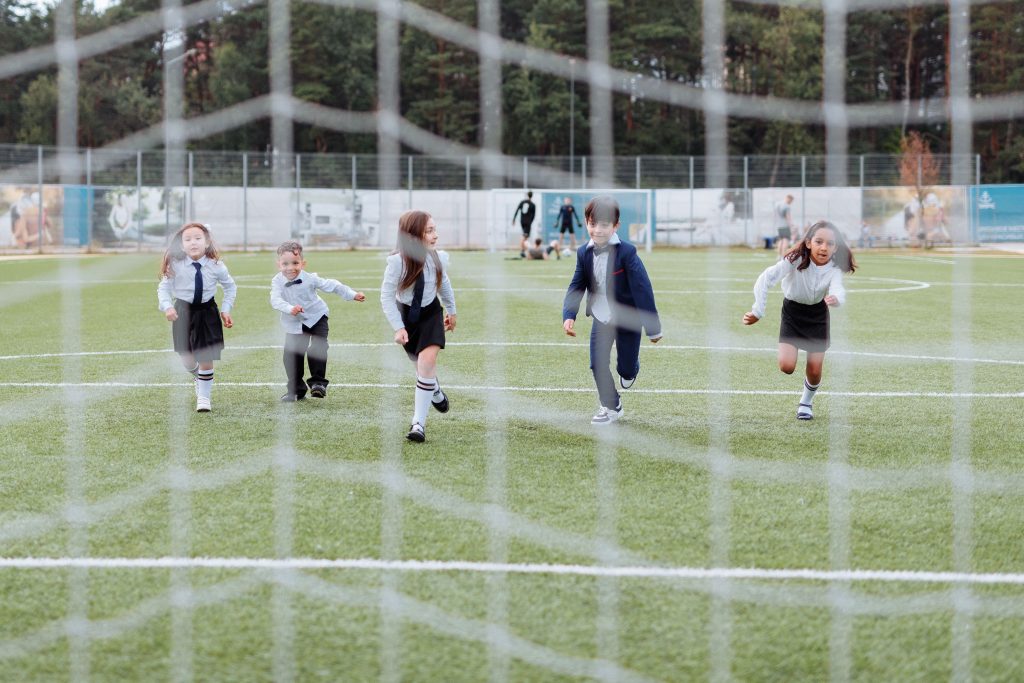
How to support a child with school anxiety and school avoidance
Listen to them
Let your child explain what they are finding difficult without judging, dismissing or shouting. Try to understand what is causing the anxiety. It could be about friendships, bullying, schoolwork, teachers, the school environment, changes in routine, exams, going to the toilet in school, or feeling overwhelmed. Remember that school avoidance is often a sign of distress and punishment can increase anxiety.
Talk to school
Contact your child’s teacher, pastoral lead, SENCO or designated safeguarding lead and explain what is happening. Work together on a support plan. Agree with school what could make attendance feel more manageable, such as a trusted adult meeting your child at the gate, a quiet space, a reduced timetable or support with difficult lessons and transitions. Speak to your GP or other appropriate services if anxiety is significantly affecting daily life.
Break things down into small steps
Returning to school can feel overwhelming. Focus on achievable goals and gradually build up attendance where appropriate. It can also help to keep routines predictable, such as regular sleep, getting dressed and eating meals at the same time.
Recognise small achievements
Celebrate the small achievements, like getting dressed for school or getting into the car, rather than focusing only on whether they attended a full school day.
Help them develop coping strategies
Breathing exercises, relaxation techniques, physical activity and having someone they trust to talk to can help manage anxious feelings. Encourage hobbies, friendships and activities that your child enjoys.
Look after yourself
Supporting a child with anxiety can be challenging. Ask trusted family members, friends, school staff or specialist organisations for support.
Read more: How to build your child’s confidence without pressure
Read more: How to support your child through school exam results
SELFA Parents Together
Every Tuesday from 10am to 11.30am at Coopers Cafe Bar in Skipton.
Parents Together is a free weekly support group run by the SELFA Children’s Charity in Skipton for parents and carers. It’s a welcoming, informal space for coffee, conversation, and building a peer support network.
Please contact Michaela Jacques if you want to find out more about Parents Together:
01756 533110, michaela.jacques@selfa.org.uk
SELFA Families Together
Families Together is a free, 10-week whole-family support programme for primary-age children and their parents/carers. It’s designed to strengthen family wellbeing, build confidence and give families practical tools they can use together at home.
The sessions take place every Monday (from 14th September) 4pm to 5.30pm at Brooklands School, Skipton.
Children will take part in our fun and engaging 10-week Wellbeing Warriors programme, where they’ll have a safe and supportive space to: understand and express their emotions, explore mindfulness and calming techniques, develop coping strategies for difficult feelings, and build confidence, resilience and emotional wellbeing.
While children are taking part in their sessions, parents and carers can join a welcoming, informal space to meet other families, share experiences and connect with people who understand the joys and challenges of family life. Places are offered to the family as a whole.
Contact admin@selfa.org.uk for more information!
Copyright 2026. All Rights Reserved