Latest News and Info

Why physical activity matters for young people: How SELFA supports health, confidence and wellbeing

At SELFA, we know how important it is for children and young people to be active. Not only is exercise good for physical health, it has huge benefits for mental health too – and acts as a natural mood booster by releasing feel-good hormones that reduce stress and anxiety.

Despite this, very few young people get enough exercise, particularly across the North. According to a report by universities including the University of Bradford, nearly a third of children and young people in England are classed as inactive, achieving less than an average of 30 mins of physical activity per day.

There are many reasons why this is, from increased academic pressure at school to a lack of safe, accessible, and affordable places to play outside. Around 540,000 children in the UK – 5-6% of young people – have clinically significant difficulties with movement skills which negatively impact their ability to engage with physical activity and education.

How we get active at SELFA

This is where we step in – supported by generous organisations like the Hargreaves Foundation. Established in 2020, this grant-making charitable foundation helps charities that provide sport and education opportunities to young people under 18 who are living with mental health challenges, physical disabilities or the effects of poverty.

Thanks to their support, we’ve managed to hire sports coaches, support staff for exercise-focused activities, activity days, healthy snacks, transport for rurally-isolated young people to and from venues, sports kits, and more.
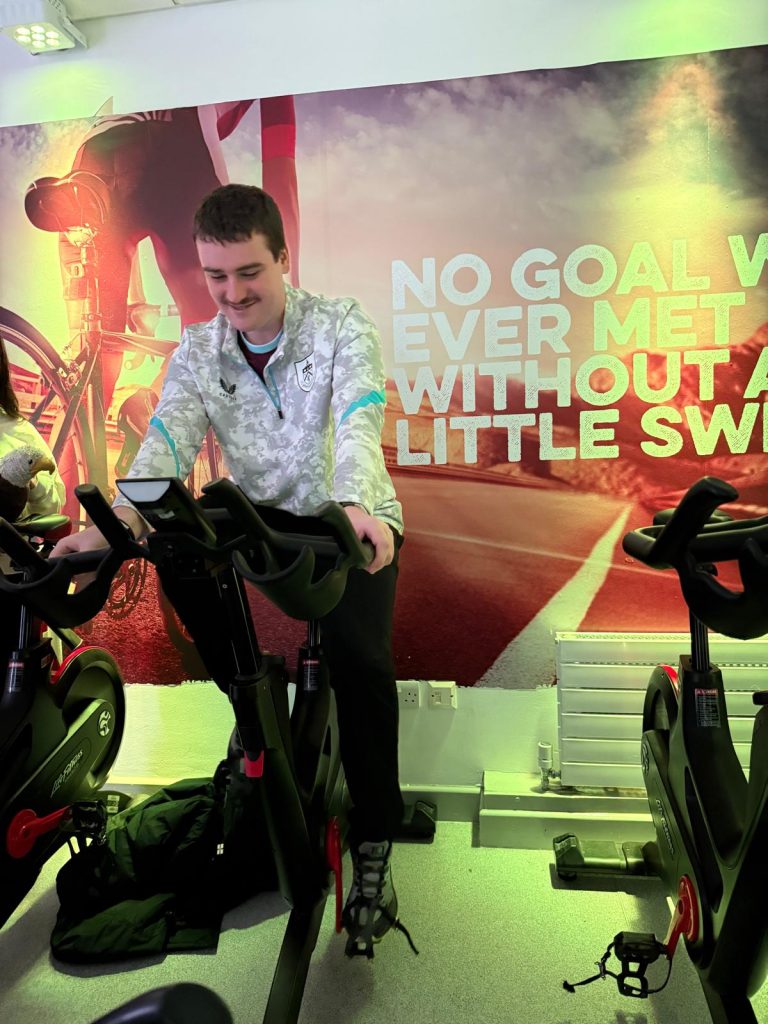
“Physical exercise and movement is an essential part of development for children and young people,” says Nicole Morgan, a children & young people’s worker at SELFA. “It’s very much part of what we do, whether it’s a short circle game to close the session, a ten-minute movement break or a full game of football rounders. 

“Movement brings the group together, teaches them to communicate and work as a team whilst building the resilience that children need to prepare them for everyday life.”

The school holidays can be a difficult time for many vulnerable children, who may not have the opportunities to stay active. So, we make sure we have plenty of fun activities planned. This year, children from North Craven Primary took part in football zorbing, indoor and outdoor climbing, swimming, golf and walks in the beautiful Yorkshire countryside.

“Behaviour is the thing that is most impacted by physical exercise,” says Morgan. “Children who ordinarily struggle to regulate are suddenly able to problem solve, support their friends and concentrate fully on the task at hand, it is amazing to see! I find the children thrive and grow so much in confidence whilst stepping out of their comfort zone, trying something new and moving.”
How we support mums at SELFA

Supporting mums is part of our DNA at SELFA.

In 2007, our CEO Emma Pears founded SELFA while working for North Yorkshire County Council. As a mum herself, she understood the mental health needs of children, particularly those in the local area, and recognised that parents, especially mothers, also need support for families to truly thrive.

That’s why we run a weekly parents’ group, giving parents a safe space to talk openly about the challenges they’re facing and the emotions they’re experiencing. It’s an opportunity to unwind over a coffee, connect with others, and realise they’re not alone.

It’s also part of SELFA’s wider wellbeing approach. Our policy focuses on creating a supportive environment where staff can thrive, which includes offering flexibility so people can balance work with family life. This is something that’s especially important for many of our team who are parents.

Peer support for parents

Talking about our problems isn’t always easy, especially as a parent. There is a huge amount of pressure to be the ‘perfect’ mum – something we all know is impossible. And when we’re struggling, it can make us feel guilty, ashamed and lonely.

Sometimes, emotions can feel so overwhelming that it’s difficult to find the motivation to talk them out, or we may worry about being ignored or judged. However, being listened to in an empathetic environment such as a peer support group like our parents’ group can have powerful psychological benefits.

A problem shared is often said to be a problem halved and research suggests this is true. Often, talking to others about a difficulty can help you think it through, while making the emotions and feelings associated with a problem seem less overwhelming.

Studies have shown peer support, particularly within mental health services, can lead to an increased sense of hope and a feeling of empowerment, and lessen feelings of isolation.

Why mums need support more than ever

Whether you’ve got a newborn or a teenager, all mums need support from like-minded people.

Record numbers of women are trying to access perinatal mental health support. As many as one in five mums experiencing mental health problems such as anxiety and depression. Some research suggests 80 to 90% of new mothers feel lonely, with one study finding that more than a third of new mothers in the UK spend eight hours a day alone with their babies.

All stages of parenthood come with unique challenges, from potty training and toddler tantrums to teenage development and emotions.

At SELFA, we give mums (and dads) the chance to talk about these things openly, without judgement. After all, we’re all just trying to do our best to navigate the highs and lows of being a mum.

What we offer parents at SELFA

Parents Together: A friendly space for parents and carers of children with additional needs or vulnerabilities to chat, share experiences and support each other.

Tuesdays 10 – 11.30am at Coopers Cafe Bar, Skipton

Parents’ Pathways: A structured weekly programme where parents and carers build skills, share strategies and grow family wellbeing and confidence.

Thursdays 9 – 11am at Quaker Meeting House, Skipton

Dads’ group: A relaxed supportive group where dads share experiences, build confidence, support each other and discuss ways to support their children’s wellbeing.

Tuesdays 6 – 7.30pm at Quaker Meeting House, Skipton

SELFA Springboard: How we support young adults

At SELFA, we have more than 20 different groups for children, young adults and parents. It can be hard to know which one is right for you – so this week, we’re shining a spotlight on SELFA Springboard!

What is SELFA Springboard?

Springboard is a health project designed to tackle the health inequalities faced by young adults. We support people aged 18 to 25 to stay healthy, build brighter futures and help ease pressure on the NHS.

During term time, we run weekly sessions in Skipton that focus on supporting mental and physical wellbeing, while also helping young people build confidence, develop new skills, strengthen self-esteem and work towards their goals.

The group is for individuals who have learning disabilities, and/or who are neurodivergent, and/or have mental health support needs.

Springboard is funded by Core20PLUS5, a national NHS England approach managed by the Reducing Inequalities Alliance which aims to reduce healthcare inequalities. 

So far, we have received two years of funding to support young people across the Craven area. We’d like to extend a huge thank you for their support – thanks to this funding, we’ve been able to offer a wide range of activities that promote good health and wellbeing, from crafts and exercise classes to talks and trips.

Springboard also welcomes visits from health professionals who help educate our members about staying mentally and physically healthy. These include doctors, social prescribers, NHS workers who connect people with community-based activities and groups to support their wellbeing, as well as mental health practitioners and dentists.

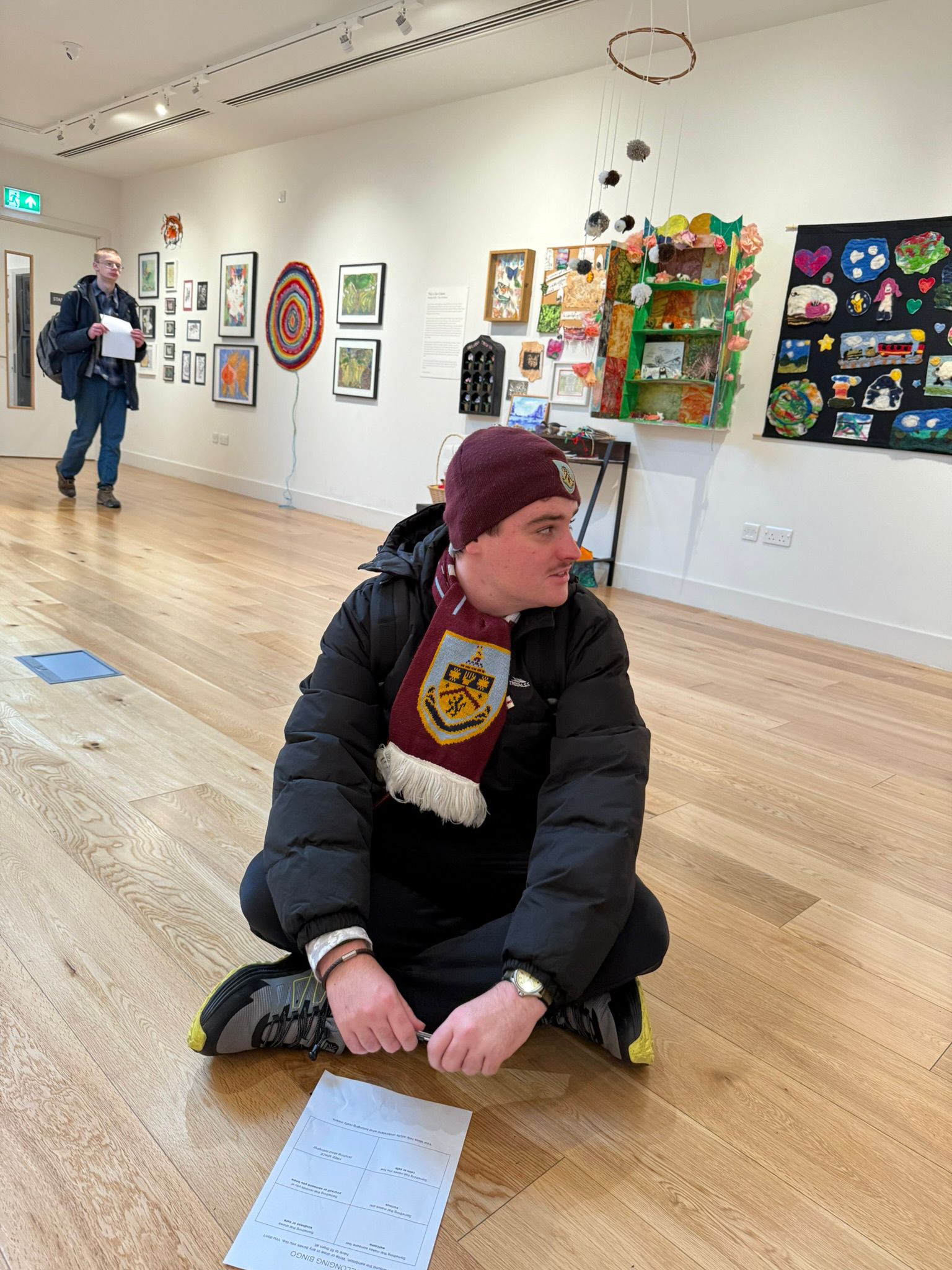
“We’ve had sessions with sculptors and done a group art installation at Craven Arts House – which is something to be proud of!” says Sarah Astin, a key worker for young adults and parents at SELFA.

“We have also done planting workshops and poetry writing with the Buzzing Skipton project. We’ve also done a seated dancing class with Skipton Step Into Action. We have a gym induction next week and we encourage our young people to enjoy physical exercise. We often visit libraries, so members can choose books based on their own interests.”

Why is SELFA Springboard so important for the community?

Young people in the UK face significant challenges, including rising poverty, increasing mental health problems and often, a lack of access to necessary support.

Our own research has found that there is a lack of accessible mental health services in rural areas like Skipton and the Craven area. This need can’t simply be addressed through more NHS or Local Authority staff, as more services are just not viable for such a sparse population.

“At Springboard, we focus on building resilience, developing social skills, and educating people about self care, nutrition and physical exercise,” says Astin.

“People form friendships and gain a sense of togetherness. We share feelings and talk about our emotions in a safe space,” she adds. “We also help our young adults access wider community groups and activities outside of Springboard. All of these things develop independence and give people better access to employment opportunities and work experience.”

World Book Day: The Power of Libraries in Supporting Mental Health

At SELFA, we understand the power of a good book. Whether it’s a fantasy novel or a mystery that you just can’t put down, reading is a wonderful way to escape to another world.

Reading is also a great way to support your mental health – which is why we love helping our children and young people discover the magic of books.

World Book Day is here, so it’s an ideal time to explore why books are so important to us at SELFA.

Why we work with community libraries

Libraries are free community hubs that give communities the chance to learn by providing access to books, technology and information. They’re also safe spaces to read for enjoyment, study or simply enjoy some quiet time. At SELFA, we work with libraries in Skipton, Settle and other areas around Craven.

“Every half term, the library delivers a fresh selection of books to our sessions — giving young people the chance to explore new stories, discover different topics, and find books that match their interests and needs,” says Sally Marchant-Derrick, SELFA’s programme manager for Youth Voice & SEND (Special Educational Needs and Disabilities).

We’ve also taken our groups to explore larger libraries, including the main library at York St John University. These visits not only inspire children and young people to develop a love of books and reading, but also broaden their horizons – encouraging further study and helping them imagine new possibilities for their future.

James, of our Year 6 Inspire group, told us: “I didn’t think university would be something I wanted to do but being here has made me think I could do it. I like the idea of studying engineering by myself and meeting others who want to do the same job as me.”

How reading supports good mental health

Reading reduces stress

A 2009 study by Mindlab International at the University of Sussex found that reading for just six minutes can reduce stress levels by up to 68%. It was even more effective than listening to music, taking a walk or drinking tea (although those are good for your wellbeing, too). The focus needed to follow a story takes your attention away from worries, which helps you relax. So, just a few minutes of getting lost in a book can provide a sense of calm.

Reading improves cognitive function

When you read, you train your brain to focus. This can improve your overall cognitive function, which not only helps with mental clarity but also supports long-term mental health. In fact, a study published in 2023 found children who begin reading for pleasure early in life tend to perform better at cognitive tests and have better mental health when they enter adolescence.

Books help you reflect

A good book can provide a well-needed escape from reality, but reading can also help you understand yourself better. Self-help books can give us helpful advice, educational books provide us with information and fictional characters can give us insights into problems and solutions.

World Book Day is a great reason to pick up a book and get reading – especially for children and young people.

Happy reading!

How we support girls’ wellbeing with the Health Lottery Foundation

From school and social media pressures to harassment and cyberbullying, it’s not an easy time to be a girl. Young women face a multitude of challenges that all contribute to rising mental health issues, such as anxiety and depression.

At SELFA, we understand how challenging life can be as a young person. This is why we’ve launched our SELFA Wellness group for girls and women aged 11 to 19 with the financial support of The Health Lottery Foundation.

With their generous £15,000 grant, our year-long project will support young women and girls aged 11-19, particularly those with Emotionally Based School Avoidance (EBSA) and autism, through creative and therapeutic activities.

“In the group, we use drama, movement and poetry to improve emotional regulation, self-expression, and communication skills,” says Emma Pears, CEO of SELFA children’s charity.

“It is designed for those who struggle with traditional mental health support, offering an alternative approach to promote emotional wellbeing and resilience for those facing complex challenges.”

The group also uses somatics, which focuses on awareness of physical sensations and how they relate to mental and emotional states to release tension and trauma.

“Our goal is to help young people build confidence, resilience and a greater understanding of their emotions, while fostering positive relationships and a sense of belonging,” adds Pears. “It also promotes mental health awareness and provides early intervention.”

In the UK, there’s a desperate need for more gender-specific support for girls, especially those from marginalised communities. Our SELFA Wellness group helps girls understand key issues that affect their health and wellbeing, including body image and hormonal changes. 

And importantly, we provide a safe space for girls to have fun! SELFA Wellness is an opportunity to make friends, gain confidence and build resilience through activities like sports, cooking, crafts, trips and community-based projects. Like many of our groups, those attending have a direct say in the kinds of activities they do – so we know exactly what they want and need.

As a small, grassroots charity, we hugely appreciate the support we get from organisations like The Health Lottery Foundation. Without their backing, we couldn’t do what we do. So thank you!

New Year fundraising appeal: Help us support children and young people

As 2025 draws to an end, we’re full of hope for the future. We want to reach even more children and young people in the Craven area who need our support – and with your help, we can do just that.

Across our communities, many children and young people are facing unprecedented challenges. Anxiety, low mood, school avoidance and the pressures of everyday life continue to impact mental health at an alarming rate. For some, simply getting through the day can feel overwhelming.

At SELFA, we provide safe, nurturing spaces where children and young people can play, talk, be heard, and build confidence, resilience and a sense of belonging. From one-to-one emotional support to group activities and trips, everything we do is shaped around the needs of the children and families we work with, including those with SEND (special educational needs and disabilities).

As we step into the New Year, our mission remains clear: to ensure that no child or young person feels alone in their struggles. But as a small, grassroots charity, we can’t do this without your support.

Whether you choose to donate, fundraise or volunteer, your support helps us reach more young people at the time they need it most. Every contribution, no matter the size, directly supports life-changing services that give children hope, confidence and a brighter future.

How to fundraise for SELFA

There are so many easy and creative ways you can help raise vital funds for SELFA.

How about:

Setting yourself a personal challenge such as a sponsored walk, run, swim, or cycle.

Hosting a bake sale, coffee morning or quiz night with friends, family, or colleagues.

Taking part in a dress-down day at work or school.

Setting up a JustGiving page and sharing it with your supporters.

Fundraising as a team through your workplace, sports club or community group.

Every small action adds up – thank you for being part of our journey!

Our 2025 highlights: How SELFA supported children and young people this year

To say that it has been a busy year is an understatement! Our team have been working hard to make sure children and young people in the Craven area get the support they need, from wellbeing and activity groups to trips and more.

As we say goodbye to 2025, here are just a few of our favourite moments from this year:

“In October, our Wellness girls group stepped up to co deliver a session on resilience. They came equipped with their own resources and session plan, and made sure that everyone could engage in the session. I am incredibly proud of how they have both thrived to achieve and supported their peers to build their own resilience.”

“My highlight of this year is seeing how settled and happy the children and young people with SEND (special educational needs and disabilities) has become! All making friendships, trying new things and just being happy and content in their environment.”

Sarah Astin, keyworker – young adults & parents

“Our Springboard group (for ages 18-25) had a wonderful adventure on a residential trip to Malham youth hostel in March. They did drawing at the top of the cove, used fishing nets, took part in scavenger hunts and did a walk on a bright day. They also did workshops with Jo from Yorkshire Dales Millennium Trust. Cooking and sharing meals together. Every week they ask when the next residential trip will be.”

Emma Pears, CEO

“My highlight for 2025 has been welcoming all the new staff to Team SELFA! They brings unique skills and experiences that will strengthen our work supporting families and young adults in Craven. Also, a huge shout-out to our existing team, whose experience and commitment keep SELFA thriving. With our new colleagues joining in, we’re even stronger and ready to make an even bigger impact in our community.”

Nicole Morgan, children & young people’s worker

“My highlight this year was definitely the summer holidays! So many days spent climbing, swimming, and getting the kids outdoors. Watching them grow in confidence, build resilience, make new friendships, and truly thrive was amazing. The sunshine, the laughter, the little victories – such a great reminder of how powerful time outside can be.”

Holly Simm, children & young people’s worker

“Seeing the children in our Starters group (for primary-age children) build amazing friendships and grow in confidence. It’s been wonderful to see them open up, support each other and realise how amazing they are in their own unique way. A big win has been helping them see that the little things they do really matter- whether it’s being kind, working together, or sharing ideas.”

International Day of Persons with Disabilities 2025: How SELFA champions inclusion and belonging 

Every child deserves to feel included. A sense of belonging is essential to children’s emotional, social, and overall wellbeing, which is why it sits at the heart of our values at SELFA.

Yet many families with disabled children are still left without the support they need. Some parents wait more than 200 days for their child to be seen by a social worker, and 17% wait over a year. During this time, they’re unable to access any help from their local authority.

Many of the 1.7 million pupils in England with special educational needs face challenges, including a lack of adequate support and less access to extra-curricular activities. This can lead to isolation, loneliness and low self-esteem. A lack of support also means that a third (32%) of children with SEND are persistently absent from school, which affects their outcomes later in life.

We understand the difficulties families with disabled children and young people face. This is why we make inclusion – and creating a sense of belonging, hope and happiness – a priority for all those we support.

“In Craven, children and young people with disabilities often face real barriers to taking part in support and extra-curricular activities,” says Emma Pears, CEO of SELFA. “Transport, cost and limited inclusive options get in the way, but so do attitudes and a lack of clear information. Too many families are still having to fight just to be included.”

What we offer children & young people with disabilities at SELFA

At weekends, SELFA hosts five inclusive clubs for children and young people with disabilities. (A side note – we are using person-first language but recognise that some individuals and communities prefer identity-first language).

Rebound therapy

We offer rebound therapy, a therapeutic exercise programme that uses trampolines to help individuals improve their movement patterns, coordination, balance, and confidence. And, most importantly, it’s a fun way to make friends!

When coupled with physiotherapy, rebound therapy is thought to be a hugely successful intervention for children with physical disabilities. It can also be helpful for children who have learning disabilities, sensory needs or developmental disorders.

We’re able to offer rebound therapy with the support of the The Kentown Wizard Foundation, which offers grants to organisations that support children and young adults with disabilities.

Debbie Bamber, operations manager at The Kentown Wizard Foundation said: “Having witnessed first hand the many benefits of Rebound Therapy, we are thrilled to be supporting such a positive project.”

Sensory play

Sensory play is any activity that stimulates our senses: touch, sight, hearing, smell and taste. It helps children interact with and make sense of the world that surrounds them.

Simple activities like making play dough, water play and music can be calming and enjoyable – and can support brain development, enhance problem-solving and motor skills, communication and social skills.

Individual support

“We also offer 1:1 support and child-led activities, giving young people with profound disabilities safe and tailored support,” says Pears.

Giving children and young people the opportunity to lead their own activities helps to build self-esteem, confidence, communication and creativity.

Trips and adventures

Over the holidays, we offer children and young people trips to places like Stockeld Park, which they can enjoy with their family members where possible.

We recognise how important it is to offer safe and inclusive environments where people can enjoy positive activities like outdoor play, exploring nature, bouncy castles and crafts. Enjoying new experiences is hugely beneficial for boosting confidence and happiness.

“Thanks to funders like Kentown Wizard Foundation, John Horseman Trust and the National Lottery, we can give families regular, reliable respite and joyful experiences,” says Pears.

“As we approach the end of the year, we are focused on maintaining the support we offer families,” she adds. “Funding is increasingly tough, but we’re committed to protecting these vital spaces so children and young people with disabilities continue to feel included, supported and valued.”

And we’re always happy when we get positive feedback from the families we support. One told us: “I really think you are just brilliant, one of the most helpful of the many, many services and professionals we have in our lives!”

Christmas: How to support children’s mental health over the holidays

Christmas can be a challenging time for many people, including children. Often, there are high expectations for everything to be perfect and joyful – but in reality, the holidays can be overwhelming.

At SELFA, we know the festive period can be difficult for many families. The cost of living crisis has increased financial anxiety, with research showing that 75% of children and young people are concerned that these worries will make Christmas an anxious time.

Changes to regular routines can also feel unsettling, says Catherine Williams, SELFA’s programme manager for mental health. 

“School closures mean less structure and fewer opportunities for social interaction, which can increase feelings of isolation,” she explains. “For some, the holidays highlight bereavement or strained relationships, making this time emotionally difficult. Children with additional needs may also struggle with sensory overload from busy environments and changes in schedule.”

Children who are neurodivergent, such as those with autism or ADHD, may find the holidays particularly challenging. Sudden changes in routine, sensory overload from lights, music, and crowds, and unpredictable social situations can lead to heightened anxiety. 

“For trans and gender-diverse young people, the holidays can bring unique pressures,” adds Williams. “Spending more time at home may mean being in environments where their identity isn’t fully understood or accepted. A lack of access to supportive peer networks during school breaks can also impact their wellbeing.”

What support does SELFA offer over the Christmas holidays?

We offer a programme of activities designed to offer structure, connection and emotional support for children, young people and their families.

For primary-aged children, we run trips and sessions for children across Craven. “This Christmas includes visits to Bolton Abbey, a trip to see The Wizard of Oz pantomime, ice skating, park trips, festive crafts, the Blackpool Illuminations and more,” says Sally Marchant-Derrick, programme manager Youth Voice & SEND.

“For our youth groups, we provide opportunities that promote independence, confidence, and social connection,” she says. “Activities this year include a climbing trip and ice skating. These sessions give young people space to have fun with friends, try new experiences, and build resilience during a time of year that can feel isolating or emotionally challenging.”

For children with SEND and their families, SELFA offers specialised support that recognises the need for safe, predictable and inclusive environments. “We run a family activity session, giving the whole family a chance to spend quality time together while accessing positive activities such as bouncy castles, outdoor play, and creative crafts,” says Marchant-Derrick.

There’s even a trip to Stockeld Park, where families can enjoy time together with the facilitation and reassurance of SELFA staff.

Throughout the year, we also offer targeted mental health support, such as wellbeing workshops and one-to-one sessions, for those experiencing anxiety and low mood. And of course, we offer advice and signposting for parents who may need extra help over Christmas.

We rely on the generous support of funders like Rotary International (who paid for our Wizard of Oz trip!) and Skipton Rotary, who funded our Stockeld Park visit. And another big thank you to FEAST (Food. Entertainment. Arts. Sport. Together) run by North Yorkshire Together, who support us to run our holiday activities.

How to support your child’s mental health over Christmas

Maintain a routine – It can be hard, but try to keep some familiar routines to provide a sense of stability. This might mean getting up and eating breakfast at the same time, or going to the park after lunch.

Encourage communication – Talk to your child about their feelings, whether they are excited, stressed or sad. Pictures can help children who process information visually. Create a safe space for them to share without judgment.

Manage expectations – Be realistic about what the holiday season will look like. It’s okay if not everything is perfect!

Focus on quality time – Prioritise meaningful interactions over the holiday rush. This could be as simple as playing or reading together.

Show them how to set boundaries – Help your child understand it’s okay to say ‘no’ to social events if they feel overwhelmed or tired.

Be aware of emotional changes – Irritability, withdrawal, changes in sleep or eating patterns, or emotional outbursts can indicate a child is struggling.

Transgender Awareness Week: Helping every young person feel they belong

At SELFA, making sure that all of our groups and activities are inclusive and celebrate diversity isn’t just a ‘nice to have’ – it’s essential. This includes recognising the full range of gender identities and expressions and different kinds of families and relationships.

One of our key focuses for all of the children and young people we support is to build a sense of belonging.

It’s not just about creating welcoming environments, but ensuring that all transgender youth are able to nurture their talents and fulfil their potential. It’s about supporting their wellbeing and making their quality of life better in a society that poses many challenges for non-binary and gender diverse people.

Research by Just Like Us, a charity for LGBT+ young people, shows 65% of trans youth people worry about their mental health daily. They’re also far more likely to experience daily tension where they are living than non-transgender young people. Sadly, just 19% say they feel optimistic about the future. We want to change this.

“Transgender young people often face stigma, social isolation and limited access to supportive services,” says Emma Pears, CEO of SELFA. “They may also struggle to find peers who understand their experiences, which can deepen feelings of loneliness and fear of being judged.”

How SELFA encourages belonging

Feeling like you belong can make a huge difference. It protects young people from feeling isolated, facing discrimination and struggling with their mental health.

Catherine Williams, SELFA’s programme manager for mental health, says fostering belonging is at the heart of what they do.

“We make sure every group and activity is inclusive, welcoming, and affirming,” she explains. “We use inclusive language and practices so young people feel respected and seen.

“We also celebrate diversity through awareness weeks, creative projects, and campaigns that amplify transgender and non-binary voices. Young people help shape our services, which gives them ownership and a real sense of belonging.”

One young person summed it up: “SELFA is really welcoming, and I feel safe to be myself there.”

Supporting the mental wellbeing of transgender young people is also a big part of SELFA’s work.

The team offer one-to-one emotional support with trained staff who understand gender identity and provide a safe, non-judgmental space to talk.

They also link up with specialist partners so young people can get extra support when they need it.

Through peer support groups, SELFA celebrates every young person’s strengths, creativity, and individuality.

By creating spaces where everyone feels valued, connected, and included, our charity helps young people grow in confidence – and share their unique gifts with their community.

“When young transgender people are accepted and included, they’re more likely to thrive, build confidence, and reach their full potential,” Pears adds.

Anti-Bullying Week: What to do if you think your child is being bullied

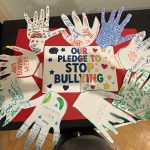
The SELFA Settle youth group made pledges to help stop bullying

At SELFA, we believe every child deserves to feel safe, valued and supported. Belonging, happiness and kindness are at the heart of what we do, and standing up to bullying is a vital part of that mission.

Bullying can have a serious impact on a child’s confidence and wellbeing. Sadly, more than one in five children in the UK experience frequent bullying and those with SEND or from low-income families are even more at risk. With so much of young people’s lives now online, nearly one in six adolescents have experienced cyberbullying, according to an international study by the World Health Organization (WHO).

During Anti-Bullying Week, we’re shining a light on how to spot the signs and support your child – and what we do at SELFA to help them rebuild their confidence.

signs of bullying

“The signs of bullying can include changes in behaviour, such as withdrawal from friends, usual activities and reluctance to go to school, changing in eating or sleeping habits,” says Naomi Pickard, children and young people’s worker (mental health) at SELFA.

“Other signs might be lost or damaged belongings or unexplained injuries. Your child might avoid social situations or have increased feelings of sadness, anxiety or low self-esteem.”

They may have unexplained tummy aches or headaches or show signs of anxiety or distress on a Sunday night or at the end of the school holidays. Some children may become quieter, while others may play up. Another sign of bullying can include seeming upset after using their phone, tablet or computer.

Ultimately, though, you know your child best. If you suspect something is wrong, you can take steps to support them.

Choose the right time to talk

Pick a time where you can give your child your full attention and let them open up if they feel able to. It can help to talk about how they’re feeling. It’s important to stay calm, even if you’re upset or angry. Your child might be feeling scared or embarrassed.

“Listen to your child, validate their feelings, let them know it’s normal to feel upset about bullying and reassure them that it’s not their fault,” says Pickard.

“Keep a record of any incidents and keep open communication with school about what is happening so that they can help to intervene.”

Help them understand their feelings

Some children may benefit from being able to draw or write their feelings down. This can be useful if they’re confused or ashamed about what’s happening – and can be a good outlet for understanding their emotions.

It’s also important to help build their confidence and resilience. Remind them that being treated badly isn’t their fault and that they’re loved and valued. Help them find things to do that make them feel good, like crafts, sports, reading or clubs.

Our Youth Wellbeing Cafe celebrated their unique selves by designing their own socks

Talk about what friendship is

At SELFA, we often talk about what kindness and true friendship looks like.

In one of our ‘wellbeing cafe’ groups for primary-school aged children – safe, supportive places where young people can get confidential support and advice – children explored the importance of listening and sharing. The children also made friendship bracelets and keyrings – because being creative is a great way to build connections and celebrate the joy of friendship.

In other groups, children and young people were encouraged to wear bright, mismatched socks for Odd Sock Day (10th November) to celebrate individuality and inclusivity.

“Our Bentham primary group had a discussion about Anti-Bullying Week and the importance of kindness,” says Nicole Morgan, a children & young people’s worker at SELFA. “The group came up with ideas of how to be kind, such as including people in games and sharing. We ended the session with team games encouraging positive communication, resilience and helping each other.”

Children at SELFA Inspire, a transition group for Year 6 children aimed to prepare them for secondary school, made posters about kindness.

“It shows we are all amazing and unique,” one child said.

Youth Work Week 2025: How SELFA is changing young lives

At SELFA, working with young people is at the heart of everything we do. Every day, we see how much difference a safe space, a trusted adult, and a little encouragement can make. Whether it’s building confidence, learning new skills, or simply having somewhere to belong, youth work changes lives for the better.

This Youth Work Week, we’re proud to join the National Youth Agency in celebrating the theme “Building Brighter Futures: Safe places, trusted support, and opportunities to thrive.” It’s a perfect reflection of what we strive for at SELFA: Creating environments where young people feel secure, supported, and empowered to reach their full potential.

To mark the week, we caught up with some of our youth workers to explore why their work – and the youth activities at SELFA – mean so much.

Building positive relationships

Tessa Walsh, a children and young people’s worker at SELFA, runs the charity’s Youth Action group – which gives young people the chance to take part in social action projects within their community. She also leads Settle Youth, a safe space where young people can come together and connect with others in their local area.

“Youth work is important within any community as it gives young people a place to be put first,” says Walsh. “Youth work helps provide space for positive relationships to develop either with each other or with responsible adults. This often helps build trust in the young people, positive connections with others also have a positive effect on mental wellbeing.”

One 12-year-old who attends the groups agrees: “I really do love coming and attending SELFA. I am currently learning new skills. People call SELFA a family, well I think it should be called SELFA loyal family.”

Creating safe spaces

For vulnerable young people, youth work can be a lifeline. These safe spaces offer the chance to socialise, learn new skills, and leave behind everyday worries – even a few hours can make a world of difference to their wellbeing.

“I like to interact with new people and to build social skills and self-confidence and make new friends and escape from home life,” says H*, aged 11.

I*, who is 16, says she feels like she belongs when she’s at our youth groups. “It’s like a big family,” she says. “There’s always someone there to support you.”

Making sure young voices are heard

At SELFA, our youth groups aren’t just about participation – they’re about empowerment. Young people help shape what we do and have real input into the projects that matter most to them.

“The groups give young people a voice, which they aren’t able to do in some services,” says Michaela Jacques, another children and young people’s worker at SELFA. “Being able to create their own social action projects allows for creativity, independence and socialisation which can be taken away from some of our young people.”

Opening up opportunities for the future

The impact of youth work often extends far beyond the here and now. Many young people who attend SELFA’s youth groups go on to volunteer, gaining valuable experience and confidence that supports their future goals.

“For many young people the groups and space that youth work provides is an essential part of their lives,” says Walsh. “Youth work can also mean providing signposting and access to different services.”

Making a difference in their communities

“For me, youth work is all about creating opportunities for young people to feel heard, valued, and supported,” says Sally Marchant-Derrick, who recently joined SELFA as the programme manager for Youth Voice & SEND.

“At SELFA, young people can share their ideas, shape projects, and take part in social action that makes a real difference in their communities,” she adds. “It provides a safe space to explore new experiences, build confidence, and develop positive relationships with others and with trusted adults.”

This Youth Work Week, we’re proud to celebrate our youth workers, the young people they support, and the life-changing impact of youth work across our community. Together, we’re building brighter futures — one young person at a time.

Northern Rail & SELFA children’s charity: Tickets to brighter futures

Many of us don’t think twice about getting on a train to go to work, shopping or a family day out. But for lots of children and young people, rail travel isn’t an option – because money doesn’t stretch to cover the cost of a ticket, or they don’t feel confident navigating public transport.

This is why for the last ten years, we’ve been working with Northern Rail to provide children and young people the chance to travel and explore.

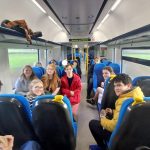
Currently, around 600 children take part in our activities, groups and trips every year. Generously, Northern Rail provides us with train tickets every holiday so we can provide children with new experiences and a chance to thrive in a new environment. Think beach trips, adventures to Leeds and Bradford, fun splash parks, and more!

But how did it all start? This partnership came about when Isabel McKenzie, who was working as a business connector at Business in the Community at the time, introduced SELFA to Richard Isaacs, a regional community and sustainability manager for Northern in Leeds.

“It started off as one of those chance email exchanges,” Isaacs says. “It was really about the misconception that everyone who lives in a rural community – like Skipton or Carlisle – lives in an affluent area. This isn’t true. I saw SELFA was doing a really good job, we thought it would be a great partnership, and now it comes around every summer and school holiday.”

Gaining confidence with new experiences

Experiencing rail travel and going on day trips can have a significant positive impact on children and young people. Something as seemingly small as a trip to a museum can be an eye-opening experience for a child – and allow them to form relationships, grow in confidence and become more independent.

One parent told us: “I feel it is very important for families who don’t always have the spare money to get the children out and about on a weekly basis with the cost of living. The staff are professional and helpful, and the children enjoy their time spent with them and other children.”

Isaacs adds that the scheme gives young people the opportunity to access things they wouldn’t normally be able to. “People may not have been to a city like Leeds or Bradford. But now, they have met people from diverse communities across the North – it’s a real positive.”

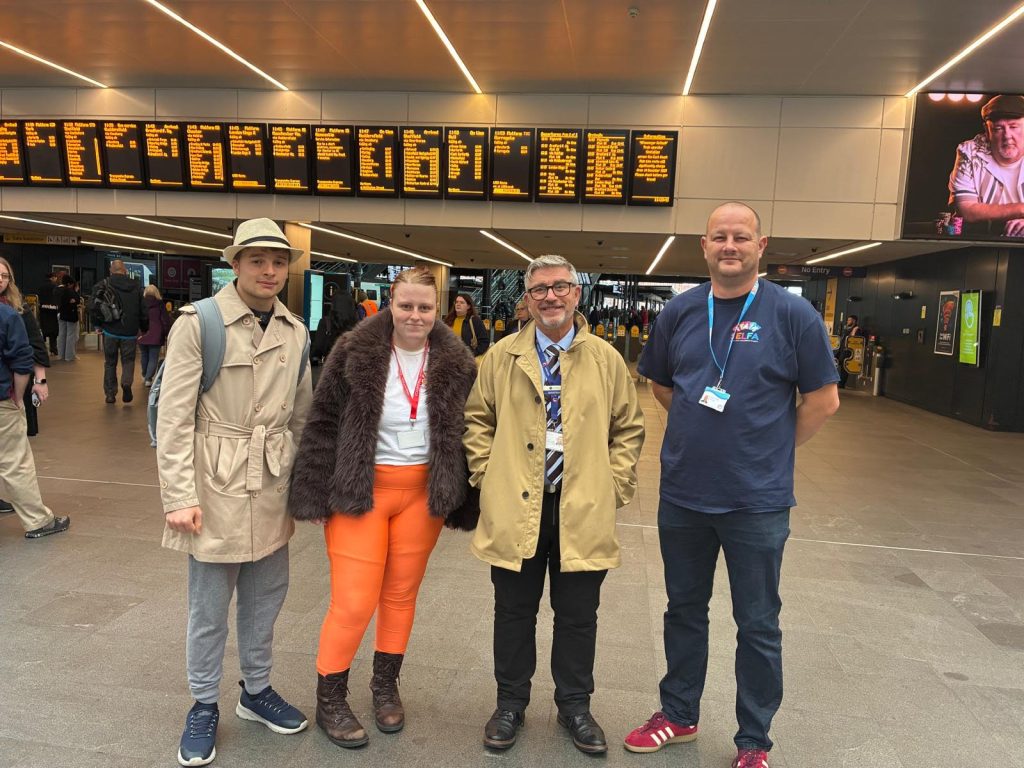
SELFA’s young people meet Whistle the Dog, Northern Trains mascot

Learning to use public transport

Rail journeys can be so much more than getting from A to B. During the trips, children are taught how to use public transport safely. They also get the chance to learn how to navigate different towns and cities – skills that they can use for the rest of their lives.

And who doesn’t enjoy watching the landscape pass by on a train journey? One child commented that they loved “seeing the world go by” and found the experience calming.

Another child, who had visited the beach at Morecambe this summer, told us: “All my favourite things in one day, the beach, the park, the train and my friends.”

Looking to the future

The trips also open up new opportunities for the future. “People may not have considered the railways as a career opportunity,” Isaacs says. “But children get a chance to speak to rail staff about what they do. The world becomes a bigger place. You can live in your rural community and still have employment opportunities elsewhere, like Carlisle and Leeds.”

Together with Northern Rail, we’re not just giving children free tickets to travel – we’re opening doors to confidence, independence and brighter futures.

SELFA Annual Report 2025: Empowering more than 700 children and young people

We are fast approaching the end of another busy year at SELFA – and we’re proud of what we’ve achieved, and grateful to all those who have helped us along the way.

In 2024/25, we supported more than 700 children, young people and parents, marking an increase of 15% from the previous year! Over 180 people accessed our services every single week.

Crucially, our work has had a profoundly positive impact on the wellbeing of children and young people.

95% developed positive relationships and a sense of belonging

86% saw an improvement in resilience

99% became more independent

100% showed an improvement in wellbeing

MORE SEND PROVISION

PROMOTING YOUNG VOICES

EXPANDED MENTAL HEALTH SUPPORT

TARGETED HOLIDAY ACTIVITIES

How to help your child settle back into school

At SELFA, we offer a variety of mental health support to children and young people. Whether it’s a safe space to talk through worries, or developing coping strategies with a professional, we make sure children are listened to and heard.

This support can be especially important during times of change, such as returning to school after the holidays. You may expect your child to have some anxious feelings and nerves before heading back to school. But what if your child is still struggling to settle back into school life, despite having been back for several weeks?

“Children can find the transition back to school after the holidays quite difficult. Changes in routine and expectation can be difficult to adjust to,” says therapist and Counselling Directory member Lucy Hills-Gale.

A number of things can cause a child to feel anxious, including changes to friendship groups, worries about homework, different classes and different teachers. Some children may feel overstimulated by a busy school environment.

The transition back to school can be particularly hard for shy or anxious children, as they may worry about not knowing what is happening or getting new things wrong. “This can be tricky when starting a new school year as there are lots of changes, which can feel unfamiliar and daunting,” explains Hills-Gale. “Children who have separation anxiety can find school hard as it means being away from caregivers and this can feel scary.”

Children with special educational needs or disabilities (SEND) may struggle with changes, as they may associate school with certain familiar faces or environments. “It may be particularly difficult if the child is unable to communicate their worries or to process the concept of returning to school and any associated changes,” says Hills-Gale.

So what can you do to help a child settle back into school? Lucy Lang, SELFA’s mental health programme manager, has some helpful advice.

Keep talking about school throughout the holidays

You can continue the conversation about school throughout the holidays. “For example, when eating lunch, you could ask them what type of foods they would like in their packed lunches, or ask them what they are excited about in the new school year,” says Lang.

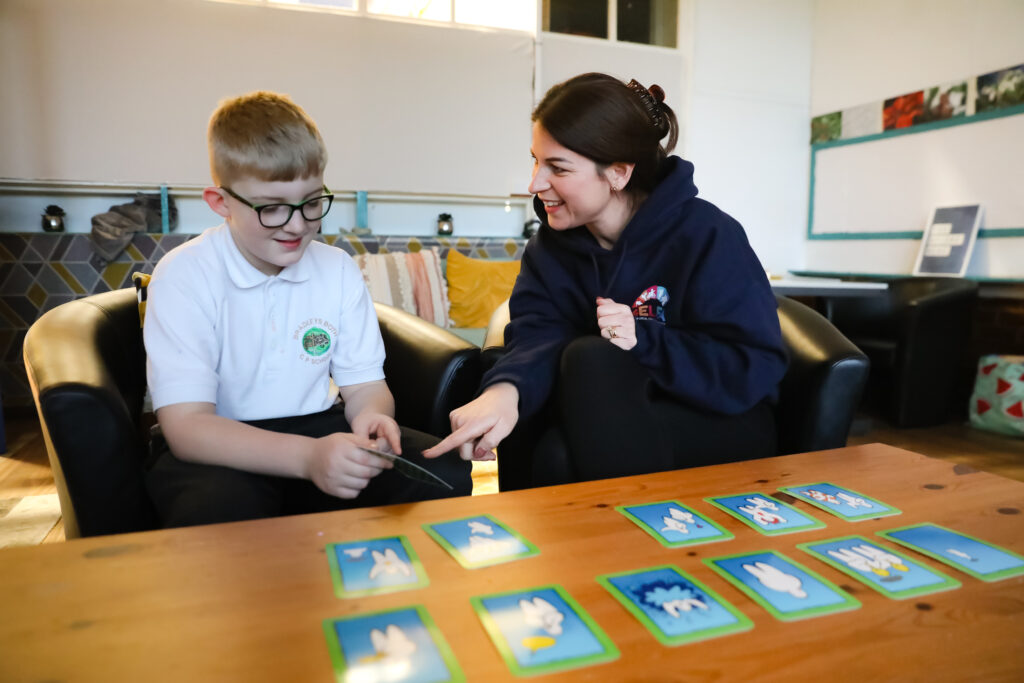
Talk through what will happen on the first day back and explain any changes beforehand. SEND children may benefit from a book with words, signs, symbols and pictures, showing the order things will happen and anything new.

Re-establish daily routines

Set clear boundaries of bed time and wake-up and what the morning routine expectations are, such as getting dressed, brushing hair and brushing teeth. “Praise them when they follow it – starting their day off with praise will boost their confidence before even getting to school,” says Lang.

Create a calm drop off routine

Ask your child what they’d like to happen at drop off, whether it is a hug, a wave or dropping them off just before the gate, if appropriate. “This will give them a sense of ownership of the day and keeping it consistent will help them to feel secure,” explains Lang. “Avoid lingering at drop off – short, positive goodbyes work best.”

Make sure they rest

After a full school day, children often need downtime before tackling homework or extra activities. Set time aside for children to play, rest and recuperate before asking them to do more tasks.

Celebrate progress

Small wins are big wins! Celebrate the little things, like a child remembering to bring their reading book, bravery at drop-off or putting their hand up in class.

Keep checking in

“Don’t just ask if they had a good day because you’ll often be met with a one-word reply,” says Lang. “Try to ask open questions that encourage more of a conversation and an opportunity for your child to open up about something, like what made them laugh or what their favourite lesson was.”

And don’t forget – you aren’t alone. Many children take time to adjust to a new routine. You can share any worries with the teachers so they are aware and can support you.

“Summer 2025 at SELFA: Fun, Friendship & Memories

To say we’ve had a busy summer is an understatement! Since the summer school term finished, we’ve run 72 sessions – more than 413 hours of activities – which have been attended by 292 children and young people.

Thanks to our generous funders, SELFA has been able to offer a range of fantastic activities, from swimming and pony trekking to beach trips, creative cooking and outdoor climbing.

FEAST (Food. Entertainment. Arts. Sport. Together), a programme run by North Yorkshire Together that provides school holiday activities, is one of our key financial supporters. With their help, we’ve been able to give hundreds of children and young people new experiences.

And it’s not just about having fun. The programme gives vulnerable young people the opportunity to build their confidence, improve their social skills and develop friendships. With one in three children in the UK lacking confidence – leading them to avoid taking part in clubs and not speaking up when they want to – it’s more important than ever to help young people believe in themselves.

One parent told us: “This summer has been really difficult for us as a family, it’s been amazing for L* to get out and enjoy activities with SELFA. Before coming, they struggled with friendships, but she now has a group of friends which is great to see.”

We’ve also used the summer holidays to help children and young people develop healthy habits. Young people in our SEND (Special Educational Needs and Disabilities) sessions have made fruit kebabs, watermelon pizzas and fruit salads together, and they’ve enjoyed using the bouncy castle to keep active. Children have also been supported to develop practical skills, such as cooking and preparing healthy snacks, which has encouraged independence and confidence. 

And, it’s important not to overlook the importance of giving children the opportunity to try new experiences. Our primary age children have loved trips to the beach for the very first time, as well as travelling on trains – thanks to tickets kindly provided by Northern Rail. Meanwhile, our SEND and youth groups have enjoyed outdoor activities at Studfold Adventure Trail in the Yorkshire Dales and Nell Bank in Ilkley. They’ve even done alpaca trekking, body zorbing and archery!

As always, we are beyond grateful for the funders that allow us to give children and young people these opportunities. Many thanks to FEAST and North Yorkshire Together, Cash for Kids, Feeding Britain, the Toy Trust, the National Lottery and the Hargreaves Foundation for their generosity. Investing in our young people is more essential than ever – and we couldn’t do it without your support.

Wordpress Websites

Copyright 2026. All Rights Reserved