
Developmental Language Disorder: The hidden condition affecting two children in every classroom
Posted: 16th October 2026
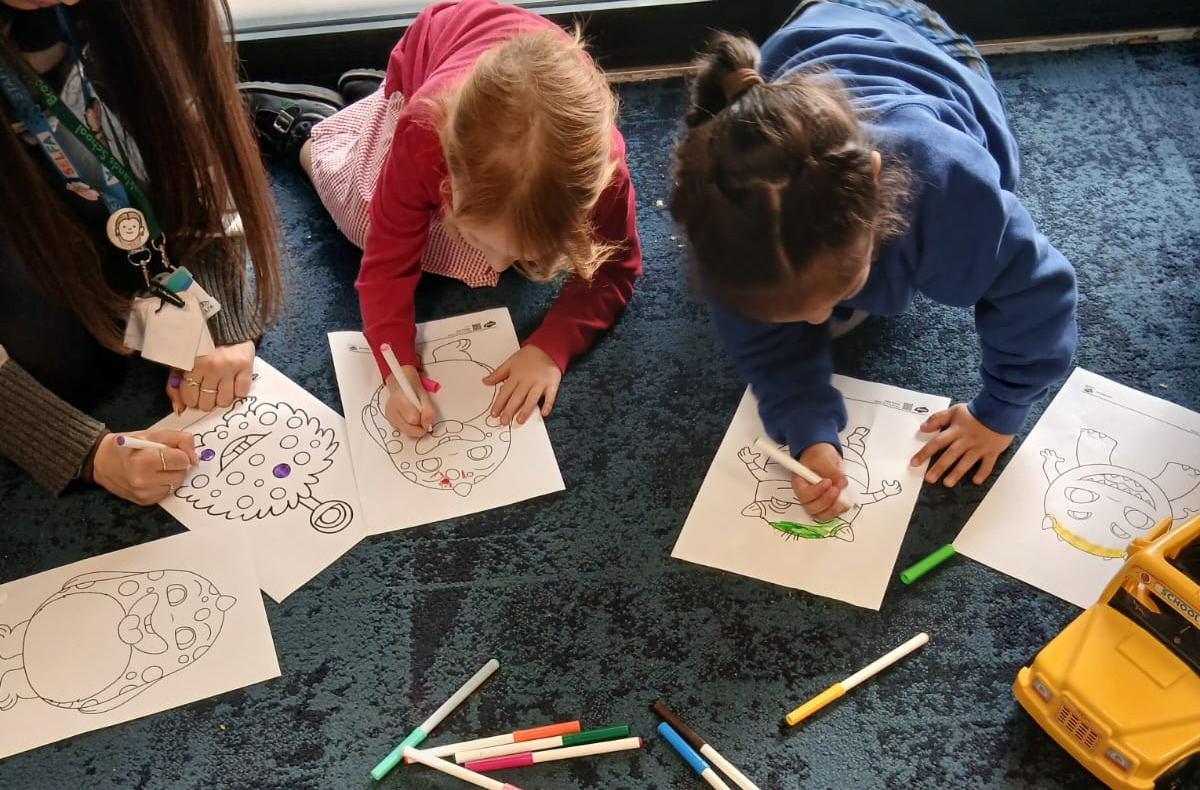
Many of us struggle to find the right words for what we want to say. Sometimes, it’s hard to follow conversations or explain how you’re feeling. But for children with Developmental Language Disorder (DLD), this is their everyday experience.
Around one in 14 people have DLD, which is roughly two children in every primary school classroom. Despite this, awareness remains relatively low, and many children can go through school without their communication difficulties being fully recognised or understood.
At SELFA, we believe every child deserves to feel heard, understood, included and supported. That’s why we’re helping to raise awareness of DLD, a common but often misunderstood condition that can have a significant impact on a child’s confidence, friendships, education and wellbeing.
Read more: How we support children’s wellbeing
What is Developmental Language Disorder?
Developmental Language Disorder, or DLD, is a lifelong condition that affects how a person understands and uses language. Children with DLD often have lots of thoughts, ideas and things they want to share, but their brains process language differently. This can make it difficult to find the right words, put sentences together, understand instructions or follow conversations.
Sometimes, DLD isn’t always obvious to others. A child with DLD might appear quiet, distracted or reluctant to join in, when in reality they are working incredibly hard to understand and communicate. DLD does not affect intelligence or capability – like all children, those with DLD have their own strengths.
Sarah Stott, a parent of a child with DLD, shared why raising awareness means so much to them: “I want to raise awareness of how common this neurodiversity really is! People with DLD are bright and capable but their brains just process language differently. Often people with DLD have to find different ways to communicate which makes them very clever!
“This is not something children grow out of – it continues into adulthood and continues to affect these people in all parts of their lives,” says Stott.
“Imagine going through your whole life without being able to say a sentence without getting your words mixed up, or to keep up with any conversation you have, or trying to make friends when you struggle to communicate. Difficulties with communication affects every single part of a person’s life and this is why we need more awareness, patience and understanding for people with DLD.”
Every child with DLD is different. Some may struggle with understanding language, while others find it harder to express themselves. Some experience both.
Common challenges can include understanding instructions, finding the right words, joining conversations or games, making friends, reading and writing and expressing emotions. These challenges can sometimes lead to frustration, anxiety, low confidence or feelings of isolation.
The exact cause of DLD isn’t fully understood, but researchers believe it is linked to differences in how the brain develops and processes language. Genetics play a role, as DLD can run in families. With the right support, though, children can develop their communication skills and grow in confidence.
Read more: How we support children and young people with ADHD
How to support a child with DLD
Whether you’re a parent, teacher, family member, friend or someone working with children and young people, there are simple ways to help:
- Give children extra time: Allow them time to process what you’ve said and find the words they want to use.
- Use clear, simple language: Break instructions into smaller steps and avoid giving too much information at once.
- Use visual support: Pictures, gestures, demonstrations and written reminders can make communication easier.
- Be patient: Try not to rush, interrupt or finish sentences for a child.
- Check understanding: Rather than simply asking “Do you understand?”, gently encourage children to show or explain what they need to do.
- Celebrate their strengths: Focus on what children can do and help them feel confident in their abilities.
- Create inclusive opportunities: Make sure children have opportunities to play, participate, build friendships and feel part of a group.
“At Springboard, we support different ways of communicating, including gestures, writing notes, and visual tools,” says Sarah Astin, who leads SELFA’s Springboard group.
Springboard is a health project designed to tackle the health inequalities faced by young adults. We support people aged 18 to 25 to stay healthy, build brighter futures and help ease pressure on the NHS. The group is for individuals who have learning disabilities, and/or who are neurodivergent, and/or have mental health support needs.
“One young person communicates with stuffed toys, the group likes to use feelings cards and non-verbal cues to help young people express themselves,” she says. “This also helps them to make friends and communicate with each other.
“We promote awareness and acceptance of different communication styles within the group. One-to-one support is available to clarify information and support communication when needed and activities are adapted so everyone can participate and feel included.”
To learn more about Developmental Language Disorder, visit RADLD (Raising Awareness of Developmental Language Disorder).
Copyright 2026. All Rights Reserved