
Christmas: How to support children’s mental health over the holidays
Posted: 2nd December 2025
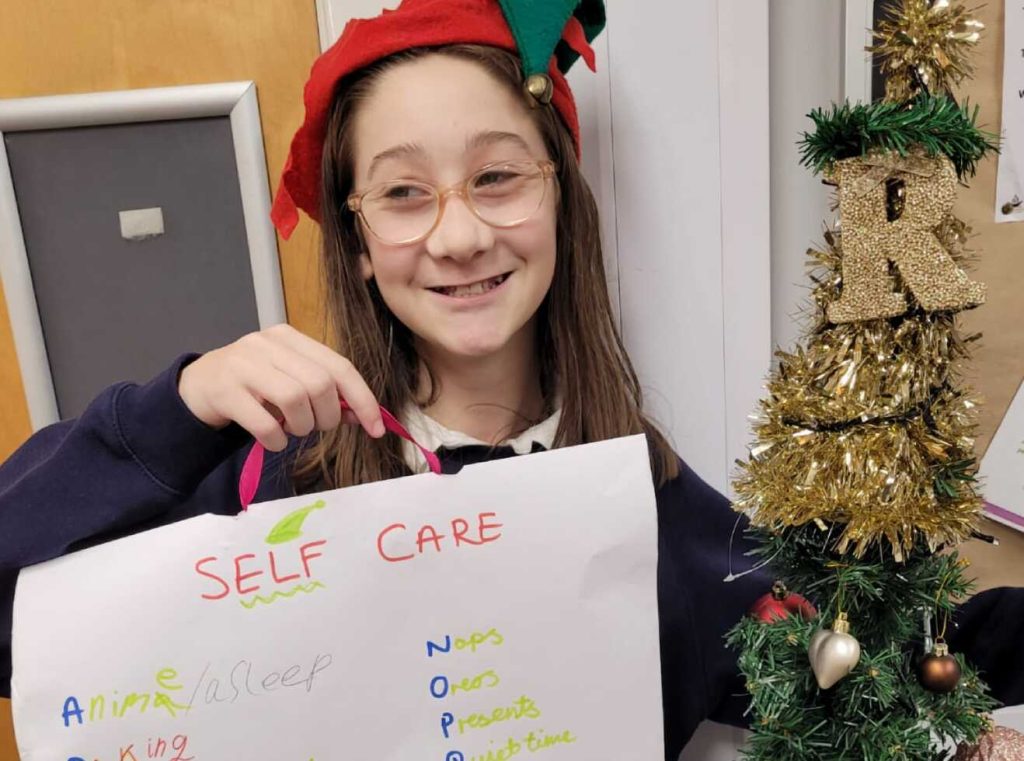
Christmas can be a challenging time for many people, including children. Often, there are high expectations for everything to be perfect and joyful – but in reality, the holidays can be overwhelming.
At SELFA, we know the festive period can be difficult for many families. The cost of living crisis has increased financial anxiety, with research showing that 75% of children and young people are concerned that these worries will make Christmas an anxious time.
Changes to regular routines can also feel unsettling, says Catherine Williams, SELFA’s programme manager for mental health.
“School closures mean less structure and fewer opportunities for social interaction, which can increase feelings of isolation,” she explains. “For some, the holidays highlight bereavement or strained relationships, making this time emotionally difficult. Children with additional needs may also struggle with sensory overload from busy environments and changes in schedule.”
Children who are neurodivergent, such as those with autism or ADHD, may find the holidays particularly challenging. Sudden changes in routine, sensory overload from lights, music, and crowds, and unpredictable social situations can lead to heightened anxiety.
“For trans and gender-diverse young people, the holidays can bring unique pressures,” adds Williams. “Spending more time at home may mean being in environments where their identity isn’t fully understood or accepted. A lack of access to supportive peer networks during school breaks can also impact their wellbeing.”
What support does SELFA offer over the Christmas holidays?
We offer a programme of activities designed to offer structure, connection and emotional support for children, young people and their families.
For primary-aged children, we run trips and sessions for children across Craven. “This Christmas includes visits to Bolton Abbey, a trip to see The Wizard of Oz pantomime, ice skating, park trips, festive crafts, the Blackpool Illuminations and more,” says Sally Marchant-Derrick, programme manager Youth Voice & SEND.
“For our youth groups, we provide opportunities that promote independence, confidence, and social connection,” she says. “Activities this year include a climbing trip and ice skating. These sessions give young people space to have fun with friends, try new experiences, and build resilience during a time of year that can feel isolating or emotionally challenging.”
For children with SEND and their families, SELFA offers specialised support that recognises the need for safe, predictable and inclusive environments. “We run a family activity session, giving the whole family a chance to spend quality time together while accessing positive activities such as bouncy castles, outdoor play, and creative crafts,” says Marchant-Derrick.
There’s even a trip to Stockeld Park, where families can enjoy time together with the facilitation and reassurance of SELFA staff.
Throughout the year, we also offer targeted mental health support, such as wellbeing workshops and one-to-one sessions, for those experiencing anxiety and low mood. And of course, we offer advice and signposting for parents who may need extra help over Christmas.
We rely on the generous support of funders like Rotary International (who paid for our Wizard of Oz trip!) and Skipton Rotary, who funded our Stockeld Park visit. And another big thank you to FEAST (Food. Entertainment. Arts. Sport. Together) run by North Yorkshire Together, who support us to run our holiday activities.
How to support your child’s mental health over Christmas
Maintain a routine – It can be hard, but try to keep some familiar routines to provide a sense of stability. This might mean getting up and eating breakfast at the same time, or going to the park after lunch.
Encourage communication – Talk to your child about their feelings, whether they are excited, stressed or sad. Pictures can help children who process information visually. Create a safe space for them to share without judgment.
Manage expectations – Be realistic about what the holiday season will look like. It’s okay if not everything is perfect!
Focus on quality time – Prioritise meaningful interactions over the holiday rush. This could be as simple as playing or reading together.
Show them how to set boundaries – Help your child understand it’s okay to say ‘no’ to social events if they feel overwhelmed or tired.
Be aware of emotional changes – Irritability, withdrawal, changes in sleep or eating patterns, or emotional outbursts can indicate a child is struggling.
Copyright 2026. All Rights Reserved