
How to create a routine for children over the holidays
Posted: 23rd July 2026
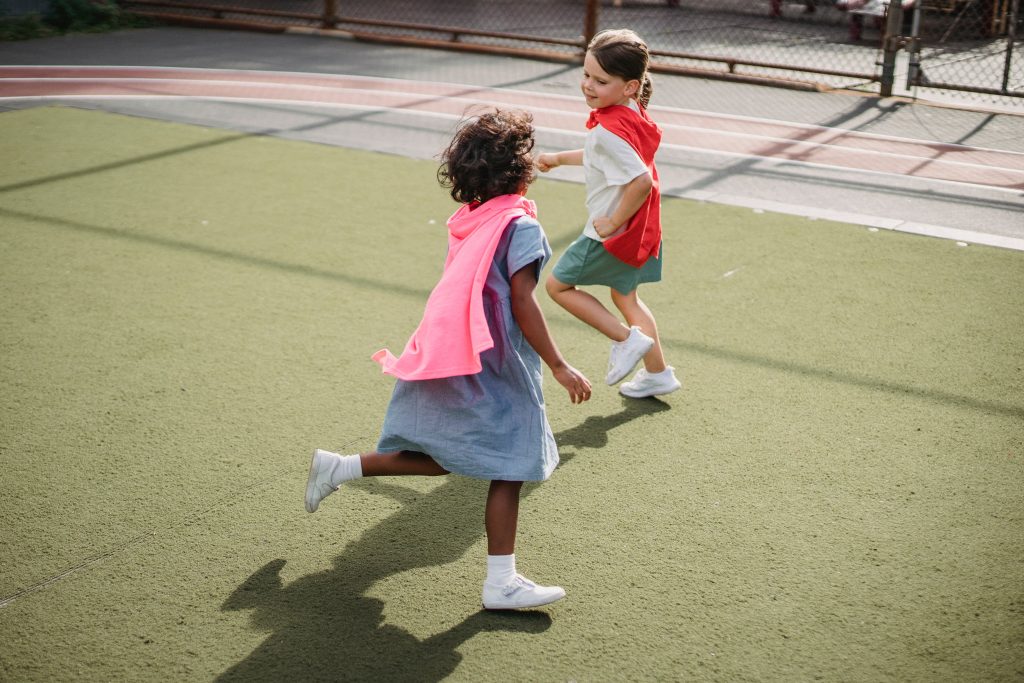
The summer holidays are an exciting time for many families, but they can also bring challenges.
After months of following the familiar structure of the school day, six weeks without a routine can feel overwhelming for children. Changes to daily activities, different environments and unexpected plans can all increase anxiety.
The good news is that a routine doesn’t have to be strict to be effective. A predictable and flexible structure can help children feel safe, reduce uncertainty and make the holidays more enjoyable for the whole family.
“Routine matters to children because it creates predictability, helping them understand what to expect and reducing uncertainty and anxiety,” says Emma Pears, SELFA’s chief officer.
“Consistent routines support emotional security, healthy development, and over time, the growth of self-control and independence. It’s human nature to seek a sense of safety and stability, and routines help meet that need by providing structure and security. At SELFA, although we do different activities, our groups are structured to build this sense of safety – so children and young people can grow in confidence.”
Here are some simple ways to create a summer routine that works for your child.
Start with a visual timetable
A visual timetable is one of the most effective ways to introduce structure during the holidays. It gives children a clear picture of what their day or week will look like and helps prepare them for transitions between activities. You can use a whiteboard and markers, a wall planner or a calendar.
Your timetable can be as simple or detailed as your child needs. Use photographs, symbols, drawings or written words to show activities such as breakfast, getting dressed, outdoor play, lunch, quiet time, visits to family or favourite places, and bedtime.
You can create a daily planner or map out the whole week if your child prefers knowing what is coming next. Remember that routines should be flexible. If plans change, explain the change using your visual timetable where possible to help your child understand what is happening.
Keep key parts of the day consistent
Try to keep wake-up times, mealtimes and bedtimes as consistent as possible. Children often cope better when they know these key moments will happen at roughly the same time each day, even if other activities change.
A regular bedtime routine, such as reading a story, listening to calming music or having a bath, can also help children settle more easily after busy summer days.
Plan activities around your child’s needs
You don’t need to fill every day with exciting trips. In fact, too many activities can become overwhelming.
Aim for a balance between active outings, quiet time and free play. You might plan one activity each day, such as visiting a local park, baking together, enjoying sensory play or going for a family walk, while leaving plenty of time for relaxation.
If your child finds new experiences difficult, preparing them in advance with photos or talking through the day’s plans can help reduce anxiety.
We’ve put together a list of free activities to do at home and around Yorkshire.
Include day-to-day responsibilities
Summer is a great opportunity to help children build confidence and independence.
Simple tasks such as helping set the table, watering plants, tidying toys or choosing clothes for the next day can become part of the daily routine. Including these jobs on a visual timetable helps children understand that they are an expected part of the day rather than an unexpected demand.
Balance screen time with other activities
It’s natural for screen time to increase during the holidays, especially for parents and carers juggling work and childcare. Creating clear boundaries can help maintain a healthy balance.
Consider adding screen time to your visual timetable so your child knows when they can watch television or play games and when it’s time for another activity. Alongside screens, encourage opportunities for creative play, reading, outdoor activities or spending time together as a family.
Having predictable times for technology can help make transitions away from devices much easier.
At SELFA, we understand that being outside can be overwhelming for some children – so we’ve put together some tips for helping young people be more confident outdoors.
Remember that every family is different
There is no perfect summer routine. Some days will go smoothly, while others may not go to plan, and that’s completely normal.
The aim isn’t to schedule every minute of the day but to create enough predictability that your child feels secure, understands what to expect and can enjoy the summer break with confidence.
To find out more about what we offer and how we support children, young people and families, explore our website!
Copyright 2026. All Rights Reserved